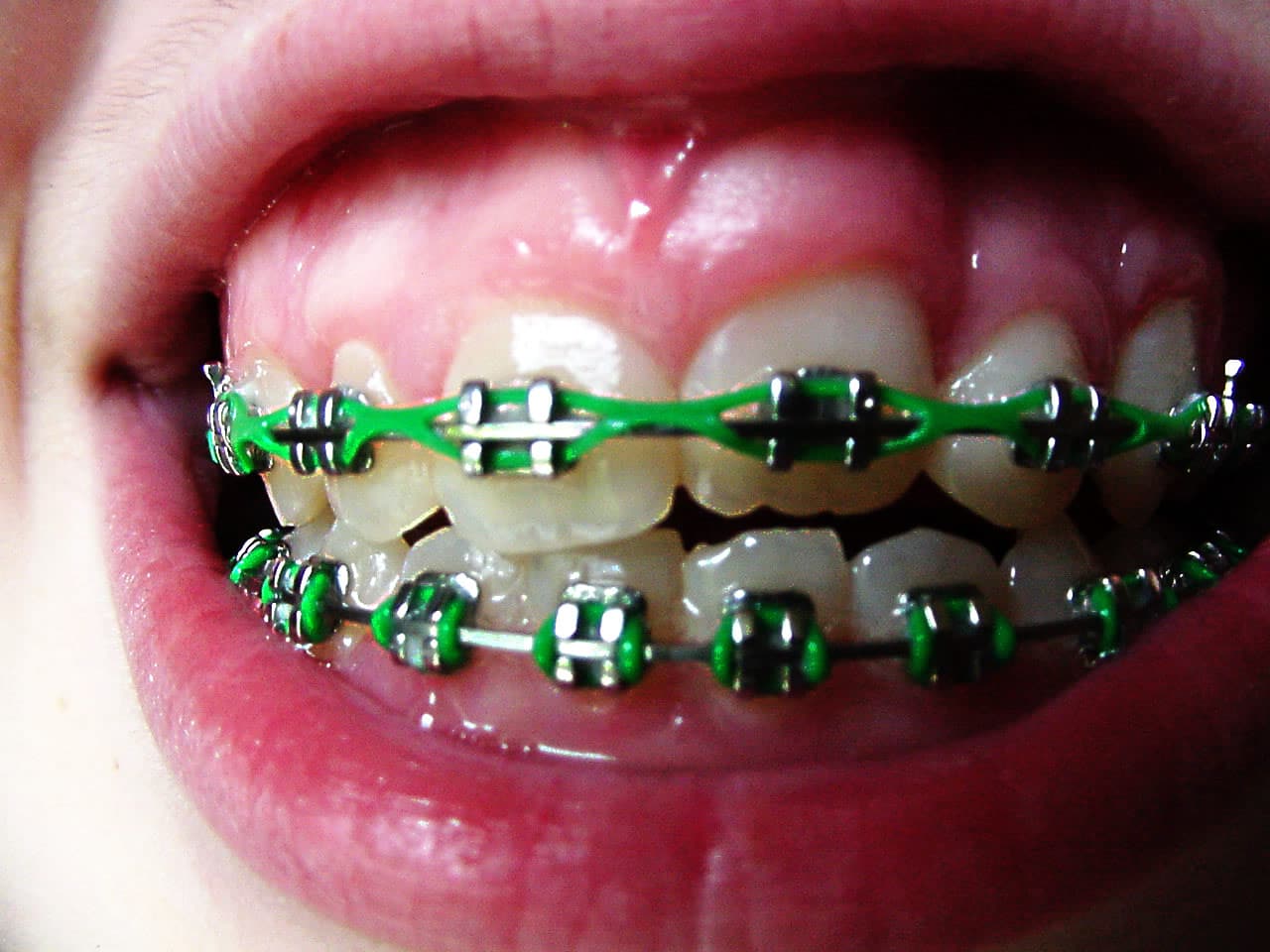
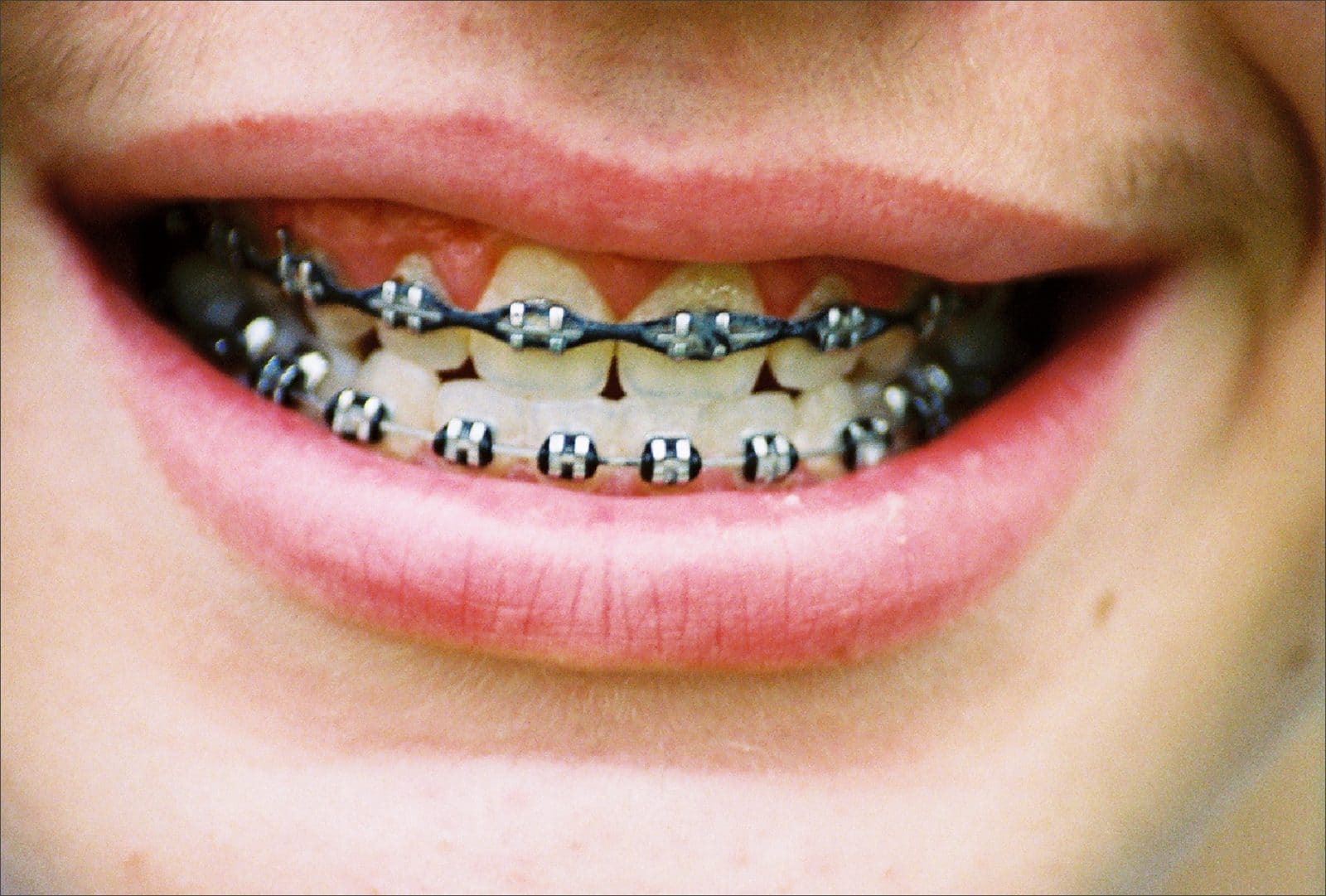
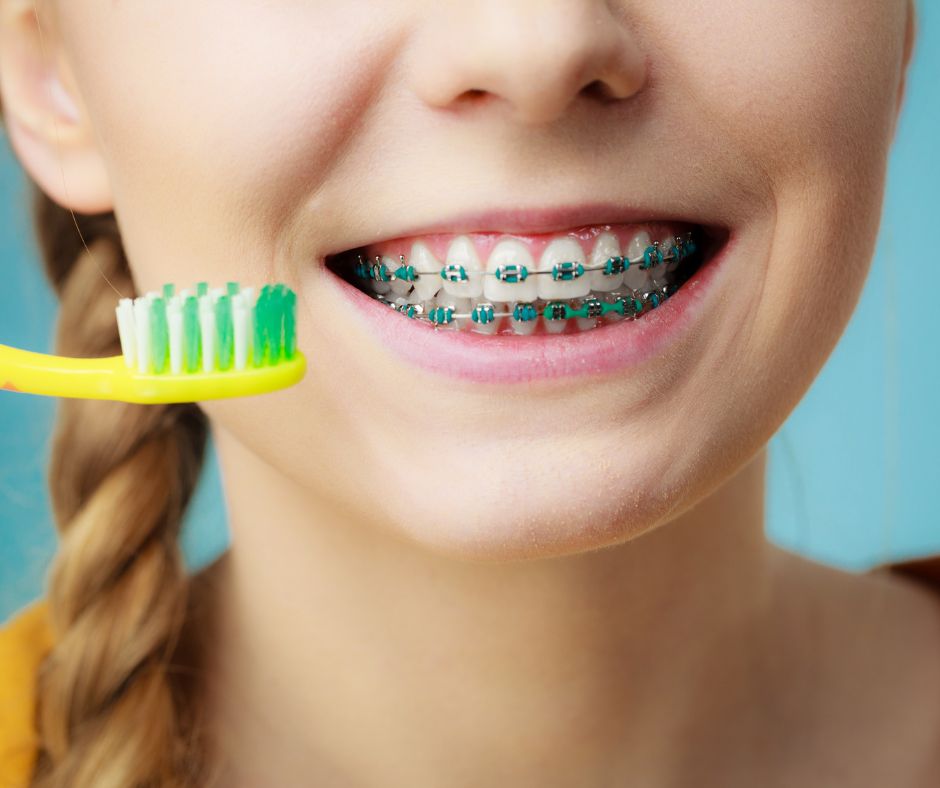
 It can be tricky to treat when you wear braces; a serious downfall when Halloween rolls around. However, with a little ingenuity, you can partake in the treats without compromising your braces and oral treatment plan set forth by our Vancouver orthodontist and staff. While we would rather tell our patients to not eat any candy at all, we know this can be hard. Therefore, let’s take a look at ways in which you can don your spookiest costume and enjoy a few special treats of the season. (more…)
Category: Blog
Blog and Articles for Columbia Orthodontics in Salmon Creek, Battle Ground, and Cascade Park, WA. Visit us today for more information!
-

Trick-or-Treating with Braces
-

The Timeline on Braces
 In a perfect world, one would know the exact amount of time it will take for braces to correct your teeth. Unfortunately, the world of orthodontia doesn’t really work that way. However, what we can say is that our Vancouver orthodontist and staff does everything possible in order to make sure your smile is perfect. Each one of us is unique with a unique mouth; several factors affect our smile. And, while genetics plays part of a role in oral health, so does the food you eat, the care you provide your teeth, and the way in which your permanent teeth emerge. Every patient may have a different treatment plan, but they all have the same goal; a straighter smile. (more…)
-

Do You Clean Your Retainer?
 The majority of our Vancouver orthodontist patients who wear retainers are gearing up to head back to school. This means getting school supplies together, registering for classes, getting a haircut and preparing the mind for a new level of learning. And, while the start of school feels like the end of summer, there are still plenty of days left in the season to make the most of your time. It’s a great chance to get organized for the year and a great time to reflect on your personal health organization skills as well. Our Vancouver orthodontist has a few tips that will help you govern your oral health and retainer all at the same time. (more…)
-

Don’t Hide That Smile This Holiday Season
 Many people who wear braces tend to hide their smile. Whether it is because they aren’t a fan of their brackets, or they are used to hiding their smile because of crooked teeth, our Vancouver orthodontist team says, “Let your smile shine!” We have a number of Braces Services that we offer and are happy to discuss these to find an option best for you. Braces are nothing to be embarrassed by. In fact, wearing braces, in a way, tells people that you take pride in yourself and want to be the best you can be. Your teeth will be straight in no time, and in the meantime, here are a few ways you can enhance your smile while the braces do their job. (more…)
-

Caring for Your Braces
 The thought of braces may make you cringe, but in the long run, your personalized oral treatment plan laid out by your Vancouver orthodontist is well worth it. Whether you need braces for a few months or a few years, the end result is a glowing smile that you’ll want to share with everyone.
So what is the best way to care for your braces? (more…)
-

What Are Braces Made Of?

You love your teeth because they allow you to eat and look great. But you might need braces due to some problems with them. There are many materials that orthodontists use to make braces, and we will talk a little bit about them here.
Stainless Steel
Stainless steel is truly amazing when it comes to corrosion resistance. This material will not readily corrode, stain, or rust with water. This material also requires low maintenance. You will also find out that stainless steel has a familiar, beautiful luster. This is an ideal material for orthodontics because of its many useful properties. This material can also be sterilized and steam-cleaned in no time. And you don’t have to paint stainless steel.
Titanium
Titanium is a high-strength metal with low density. It also has a beautiful, silver color. The ratio of strength to density in this material is just the highest of any mineral out there, which makes titanium a truly useful item. This material is not rejected by your body, and it is also non-toxic. This allows titanium to exude a lot of uses in the medical field these days. If a dental implant is made of titanium, it might last up to 30 years. Yes, this material is here to stay for a long, long time.
Polypropylene
Polypropylene is a commonly produced synthetic plastic. This material has also been used in pelvic repair and hernia operation for many years. The goal is protection a body for additional operations that might develop over time. Remember also that polypropylene is resistant to fatigue. Polypropylene has also been used to manufacture a wide array of piping systems out there. Polypropylene is also resistant to chemical leaching and corrosion. This material is very resistant to any form of physical damage including freezing and impact. You don’t have to glue polypropylene because you can use heat fusion instead.
Ceramic
Ceramic has a lot of attributes including electrical conductivity, toughness, and hardness. Ceramic also has a high melting temperature, low ductility, and chemical resistance. Because of it;’s resilience and durability, ceramic is often also used for dental implants. Ceramics are great because they can bond quickly with a strong hold.
Braces are here to stay for a long time, and they can be great for you. If you’d like to learn more about the materials we can use during your orthodontic treatment, give us a call at (360) 883-3800.
-

Brushing With Braces Prevents a Myriad of Concerns

Here are a few things that can occur if you don’t brush adequately.
- Demineralization. That a pretty big word for something which is actually really rather simple. When food is left on teeth, it comes in contact with bacteria. The combination of the two creates acid. This acid can rob teeth of both calcium and phosphate. This can result in decalcification which manifests itself in “white scars.” These are those chalky little while squares that outline the area where braces once where. It is important to know that the braces themselves do not cause white scares. Anyone who doesn’t care for his or her teeth can have these marks. However, individuals with braces are more prone to this phenomenon because braces can trap food. Avoid these marks by brushing.
- Gingivitis. This is the initial form of gum disease. Tissues around the teeth become inflamed and can cause bleeding, tenderness, redness or swelling. This can be avoided by cleaning around the gum line—brush and floss.
- Sensitivity. If your guns recede, the underlying layer of your teeth can become exposed. There are thousands of tiny tubules leading to the tooth’s nerve center. When exposed, these tubules can cause sensitivity. Anyone can suffer from sensitivity, but braces wearers can be especially susceptible. Brush thoroughly after every meal and floss at least once a day
- Plaque. Everyone suffers from plaque, but as with other dental problems, the challenges of cleaning around braces mean that braces wearers must be especially careful about fighting plaque.
- Tartar. If you leave plaque on your tooth, you will get tartar. This is hard to remove and once tartar has formed, only a dentist or hygienist can remove it.
- Bad Breath. Sometimes bad breath is what our patients are the most concerned about. This is an immediate problem which can cause social problems. If bad breath develops only after getting braces is almost certainly caused by poor oral hygiene.
For any concerns about your braces or health of your teeth, contact Dr. Croft.
-
Volunteering Helps You Feel Better
Another interesting finding is that people who volunteer have a higher self-esteem and overall feeling of well-being. This seems to be because of social connectedness increases which increases your self-esteem.
There are a lot of opportunities to serve and volunteer in the Vancouver, WA area.
Check out the City of Vancouver’s website for service opportunities in the following departments.
- Police Department
- Fire Department
- Parks and Recreation
- Neighborhood Associations
- Urban Forestry
- Water Resources Education Center
- Boards and Commissions
- Adopt-a-park
VolunteerMatch.org has hundreds of volunteer opportunities.
So if you are looking for more happiness in your life, consider finding an opportunity to serve.
-
Why Do Teeth Become Sensitive? Some Answers From a Orthodontist in Vancouver WA
Or maybe you are feeling the reverse and hot drinks are starting to hurt your teeth.
Sometimes even your brushing and flossing can start causing pain. These symptoms may mean you are developing sensitive teeth.
If one particular tooth or area of your mouth is sensitive, you may have tooth decay. If all your teeth are becoming sensitive, it may be that something is wearing down the protective layers on your teeth, exposing the dental nerves.
There is good news. You don’t have to spend the rest of your life eating tepid food. There are steps that can be taken to correct the problem.
The following is a list of causes and treatments for sensitive teeth from the American Dental Association:
- Possibly you are brushing with too much force or have been using a tooth brush with bristles which are too hard. These two habits can wear down the protective layers of your teeth and expose the microscopic hollow tubes or canals that lead to your dental nerves. When these tubes are exposed to hot, cold, acidic or tacky foods, tooth sensitivity and discomfort can occur. You need to change your toothbrush. Shop for one with softer bristles. Then be gentler while brushing.
- Acidic foods can cause pain if your nerves are exposed. Use common sense. Stick to foods without so much acid.
- If you grind your teeth you can wear down the enamel. Sometimes people grind in their sleep without even realizing they are doing it. The best treatment is a mouth guard. Talk to your dentist about a custom guard made to fit your bite.
- Some whiting toothpaste can cause tooth sensitivity. Some manufacturers add tooth-whitening chemicals which you could be sensitive to. Try a new toothpaste.
- Similar to whitening toothpaste, some over-the-counter mouthwashes and rinses contain alcohol and other chemicals that can make your teeth more sensitive. Solution: Try neutral fluoride rinses, or simply avoid the rinse and be extra meticulous about flossing and brushing.
- If your gums have started to recede, you could have more tooth sensitivity. Also gum disease or gingivitis can be the problem. Your dentist may suggest a procedure to seal your teeth along with treating the gum disease itself.
- Excessive plaque on your teeth can cause sensitivity. A build-up of plaque can cause your enamel to wear away.
- A chipped or cracked tooth can cause pain.
- Decay around the edges of fillings
- Teeth often become more sensitive after you’ve been in the dentist’s chair. If you have braces you know this is true. Your teeth will often be more sensitive after a visit.
If your sensitivity is extreme and persists no matter what you do, contact us at Columbia Orthodontics. We don’t want you to be in more pain than is necessary. We will decide what the best solution for your particular situation is.